
Our history
 bought the San Venanzio estate, paying it £ 20,000. The deal was signed by Notary Cesarini, a great art collector, whose house museum is now an important cultural site in our area. (
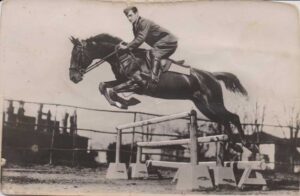 followed their father’s footsteps and continued to cultivate the estate, buying the San Lazzaro estate too.
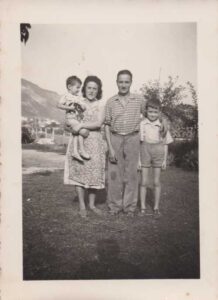 This one, in turn, let his wife Maria Luisa Grestini to manage the business: today she is still the owner.

Fossombrone
City of ancient Roman origins, where history, art, nature and food and wine are skilfully combined in an area rich in woods, vineyards, and small villages, remained intact over time.
Fossombrone, surrounded by an uncontaminated landscape, has always been linked to its river, the Metauro, with the Ponte della Concordia, the great “eye” symbol of the town, joining its banks. A river that is the guardian of an enchanted place, the Marmitte dei Giganti, where the water becomes the creator of a unique spectacle, made of canyons and rocky cavities, of a luxuriant and millenary nature, which in summer it is possible to admire from the inside with paths on foot and by kayak. A large wood, the Cesane forest, located about 700 meters above the sea level, offers a breathtaking view of the surrounding hills and the possibility of various paths for naturalistic trekking and biking.
In the downtown, from Corso Garibaldi, the main street and the commercial heart of the town, it is possible to go up the streets of the historic center, until you reach the Corte Alta, the ducal location that from the top dominates a sea of red roofs, the ancient soul of the city . Four museums with pieces of art that lead from the Bronze Age to the art of the twentieth century, offer an extraordinary cultural choice.
San Venanzio
Only by climbing to the top of the hill, dominated by the ancient Pieve di San Venanzio dating back to the year 1000, you can enjoy a unique spectacle. On one side the Metauro valley, where the gaze can sweep up to the sea, on the other side the high hills of the Apennines broken by the unmistakable rocky walls of the Furlo gorge that allows you to see Mount Nerone and, further away, the Sassi Simone and Simoncello.
This territory where woods, fields, olive groves and vineyards are close to each other is a magical place. From up here you dominate the Fossombrone town and the ancient Via Flaminia. Certainly the high position of the town has made it a favorite place even in ancient times, given the traces of Roman villas and finds that sometimes were discovered during the working of fields.
The church of San Venanzio with some neighboring buildings now perfectly restored, placed on a small hill, have the appearance of a small village and add a suggestive note of further charm to the place.